

To Buy Mounjaro Online Visit Our Pharmacy ↓
 Managing Mounjaro Side Effects: Practical Tips
Understand Common Side Effects and When to Seek Care
Starting a new medication can feel like stepping into unknown territory; many people report early nausea, mild diarrhea or constipation, headaches, dizziness, fatigue, and injection-site redness. These effects are often transient and lessen as your body adjusts. Keeping a symptom diary helps spot patterns, and discussing persistent or worsening problems with your clinician lets you address causes early without jumping to conclusions.
Seek immediate care for signs of severe reactions: difficulty breathing, swelling of the face or throat, fainting, fast irregular heartbeat, severe abdominal pain, persistent vomiting, or signs of dehydration. Also contact your provider if blood sugar falls unexpectedly or if weight loss is rapid and unexplained; these require prompt and ongoing medical evaluation.
| Symptom | Suggested Action |
|---|---|
| Mild nausea | Monitor, try small meals, report if persistent |
| Severe pain or breathing issues | Seek emergency care immediately |
Practical Tips to Reduce Nausea and Digestive Discomfort
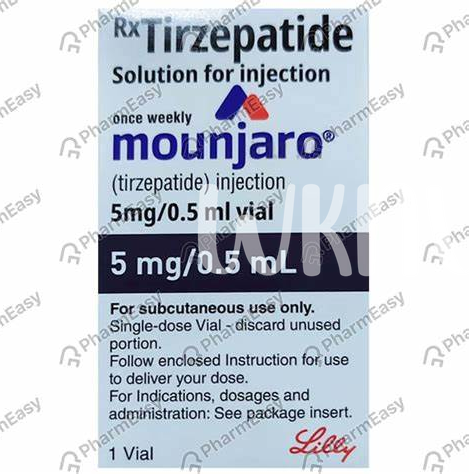
When I began mounjaro, mild nausea and bloating showed up early. Small, frequent bland meals — think rice, toast, bananas — helped, as did sipping ginger tea or chewing crystallized ginger. Cold foods and smoothies were gentler than hot, fatty dishes, and avoiding strong kitchen smells cut sudden queasiness.
Pace meals, sip fluids between bites, and avoid lying down immediately after eating. Try acupressure bands or OTC ginger candies, and ask your clinician promptly about anti-nausea options or dose timing if symptoms persist — adjusting treatment should always be done with medical guidance.
Managing Appetite Changes and Safe Weight Loss Strategies
I noticed my hunger faded during the first weeks on mounjaro, which felt freeing but confusing. Tracking portions and eating regular protein-rich breakfasts helped me avoid sudden energy drops. Small, planned snacks prevented overeating later and kept blood sugar steady, a practical habit my clinician supported.
Focus on nutrient-dense choices: vegetables, whole grains, and lean proteins supply satiety without extreme calorie cuts. Gradual weight loss—half to one pound weekly—is safer and more sustainable; abrupt restriction can provoke fatigue or rebound eating. If appetite swings are severe, consult your provider to adjust strategies or consider a nutrition referral.
Set realistic goals, celebrate non-scale progress like improved energy, and use mindful eating to notice fullness cues. Keep hydrated and prioritize sleep, both influence hunger hormones. Regular follow-up visits let clinicians titrate therapy and support safe, individualized changes while monitoring medical risks closely.
Dealing with Injection Site Reactions and Proper Technique

A first injection can feel intimate and a little nerve‑rattling; Sarah found that steady breaths and a routine soothed her. For mounjaro pens, wash hands, clean the skin with alcohol, allow it to dry, and rotate injection sites—abdomen, thigh, upper arm—by at least an inch to prevent lumps and irritation. Avoid injecting into bruises, scars, or inflamed areas. Use a new needle each time and store supplies per manufacturer instructions.
Mastering a predictable technique reduces anxiety: gently pinch the skin, insert the needle at the angle recommended, depress the plunger steadily, and count to ten before removal. Don’t rub the site afterward; a cool compress can ease discomfort. Watch for growing redness, swelling, persistent pain, warmth, or fever—signs needing prompt evaluation. Always discard needles in a proper sharps container and report unusual or severe reactions promptly to your healthcare team.
Adjusting Medication Timing and Dose with Clinical Guidance
Starting or changing a regimen can feel like navigating new terrain; when I first adjusted my schedule, careful planning eased anxiety and side effects. Talk openly with your clinician about blood sugar patterns, meal timing, and symptoms—mounjaro’s effects can depend on when you inject. Small timing tweaks often improve tolerance without changing the prescribed dose.
Never adjust dose on your own; clinicians balance benefits and risks, especially if you’re using other glucose-lowering medicines. Keep a symptom diary, record injection times, and ask about gradual dose changes or temporary holds. Prompt follow-up after any modification helps catch problems early and ensures safe, effective use of the medication in everyday life and with clear emergency instructions ready.
| Action | Why it Helps |
|---|---|
| Document timing & symptoms | Guides clinician decisions |
| Discuss gradual changes | Reduces abrupt side effects |
When to Contact Professionals for Serious Symptoms Immediately
A sudden severe symptom can be frightening; one patient I counseled described intense abdominal pain and rapid heartbeat that prompted a call. Trust your instincts: severe chest pain, fainting, severe allergic reactions, or persistent vomiting merit immediate evaluation.
Call your provider for signs suggestive of pancreatitis (severe persistent abdominal pain, nausea with high heart rate), for symptoms of infection fever or swollen injection site with spreading redness, sudden vision changes, or severe hypoglycemia unresponsive to glucose.
If you experience trouble breathing, swelling of the face or throat, fainting, or collapse, call emergency services immediately and bring your medication list and last dose information. For reliable prescribing information and trials see online and resources FDA_label ClinicalTrials