

To Buy Lasix Online Visit Our Pharmacy ↓
 Comparing Lasix to Other Diuretics
Lasix: Understanding Its Mechanism and Uses
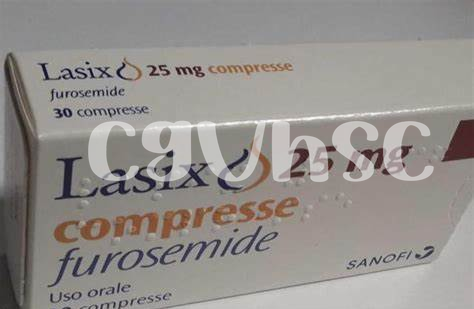
Lasix, a potent loop diuretic, functions by blocking sodium and chloride absorption in the kidneys, particularly in the loop of Henle. This leads to a significant increase in urine output, making it highly effective for treating edema associated with congestive heart failure, liver cirrhosis, and renal disease. Often, patients will receive a script for Lasix when swift diuresis is necessary. The rapid relief it offers, albeit beneficial, requires careful monitoring given its potential to cause shifts in electrolytes and fluids. Below, a comparison of key Lasix characteristics can be found:
| Characteristic | Description |
|---|---|
| Onset | Rapid, within an hour |
| Duration | Approximately 6-8 hours |
| Administration | Available in oral and IV forms |
In Pharm Land, Lasix is revered for its ability to tackle significant fluid overload swiftly, often making it a staple in the scripts of those managing acute edema. However, its action demands vigilance due to potential side effects like dehydration and electrolyte imbalance.
Exploring Thiazide Diuretics: Pros and Cons
Thiazide diuretics are often prescribed as first-line treatments for hypertension and mild fluid retention. They operate by inhibiting sodium reabsorption in the distal convoluted tubule of the kidneys, promoting urination, and consequently reducing blood volume and pressure. Unlike Lasix, which is known for its quick action, thiazides act more gradually, making them suitable for chronic management. The compound medication nature of thiazides ensures they're less likely to cause an immediate impact on potassium levels compared to their loop diuretic counterparts.
While thiazide diuretics are generally well-tolerated, they are not without drawbacks. Common side effects include electrolyte imbalances, particularly hypokalemia, which requires monitoring. However, they offer the advantage of once-daily dosing and can often be a cost-effective option, limiting the sticker shock of more expensive alternatives. Patients might experience dizziness or fatigue as their bodies adjust to the medication, but these tend to diminish over time. For individuals concerned about maintaining potassium, often these diuretics are used with a potassium-sparing counterpart to balance electrolyte levels effectively.
Potassium-sparing Diuretics: a Friend to Electrolytes
Imagine a diuretic that helps maintain your body's electrolyte balance—these are potassium-sparing diuretics. Unlike other agents, such as Lasix, which might cause significant potassium loss, potassium-sparing diuretics ensure that crucial electrolytes remain in check. This "magic mouthwash" approach to diuretics can be particularly advantageous for individuals who struggle with maintaining adequate potassium levels. However, while effective, they might not always achieve the same level of diuresis, or fluid excretion, as other options. The trick is to find the right balance in the cocktail of medications tailored for an individual's unique needs, keeping both efficacy and safety in mind.
Comparing Efficacy: Lasix Vs. Other Diuretics
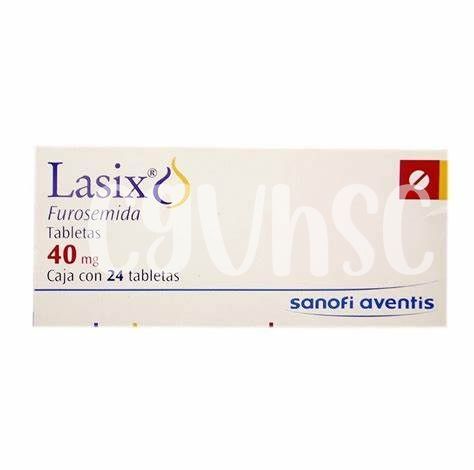
Lasix, a powerful loop diuretic, has a rapid onset of action, making it effective for stat fluid reduction, particularly in cases of acute heart failure or edema. Its efficiency stems from its ability to promptly inhibit sodium and chloride reabsorption in the kidneys, creating a robust diuresis. However, comparing Lasix to thiazide diuretics, both classes have their comp of strengths. Thiazides are often preferred for long-term management of hypertension due to their gentler nature.
Though Lasix delivers a potent elixir of effectiveness, it may lead to more significant electrolyte loss. Potassium-sparing diuretics, meanwhile, protect the body’s electrolyte balance, though they may not match Lasix's diuretic capacity. Choosing the right diuretic often involves balancing these efficacy profiles with patient-specific needs and potential side effects.
Side Effects: What to Expect from Each Diuretic
Navigating the world of diuretics brings an array of side effects, each unique to its class. With Lasix, also known as Furosemide, patients might encounter electrolyte imbalances, often requiring a check-in at Pharm Land. Beware the hangover—a common aftermath of potent meds. A script for thiazide diuretics could lessen your pill burden but may increase the risk of gout or glucose intolerance.
| Diuretic Type | Common Side Effects | |---------------------------|-----------------------------------------------------------| | Lasix (Furosemide) | Dehydration, electrolyte imbalance, dizziness | | Thiazide Diuretics | Gout, increased blood sugar, dehydration | | Potassium-sparing Diuretics | Hyperkalemia, dizziness, GI disturbances |
Meanwhile, selecting potassium-sparing diuretics might be a triumph in conserving electrolytes but opens the door to hyperkalemia. This delicate balance emphasizes the need for thorough med recs to keep adverse reactions in check.
Choosing the Right Diuretic for Your Needs
Deciding on the best diuretic for your situation involves balancing effectiveness with potential side effects while considering personal health needs. Lasix, known for its rapid action, might be your script if immediate results are paramount, particularly in acute scenarios. However, if maintaining electrolyte balance is crucial, potassium-sparing options offer a solution that sit well with your body's chemistry. Always consult with your healthcare provider, your personal "white coat," to ensure that the selected treatment aligns with your specific health goals and lifestyle.