

To Buy Clomid Online Visit Our Pharmacy ↓
 Who Should Consider Clomid? Eligibility and Recommendations
Understanding Clomid: a Brief Overview
Clomid, known generically as clomiphene citrate, is a widely used medication in fertility treatments. It falls under the category of selective estrogen receptor modulators, which essentially help stimulate the ovaries to release eggs. This drug can be a beacon of hope for those facing challenges with ovulation.
In women, Clomid initiates a hormonal cascade by tricking the body into producing more follicle-stimulating hormone. This encourages the ovaries to produce a mature egg. Despite its prominence in female fertility, recent studies suggest potential benefits for men with infertility issues as well.
| Aspect | Details |
|---|---|
| Generic Name | Clomiphene Citrate |
| Category | Selective Estrogen Receptor Modulator |
| Primary Function | Stimulates the release of eggs from the ovaries |
Identifying Key Candidates for Clomid Use

Clomid, a widely recognized fertility medication, plays a crucial role in aiding individuals struggling with fertility issues. One of the primary groups who may benefit from Clomid include women experiencing irregular ovulation. By stimulating the ovaries, Clomid can often restore regular cycles, thus increasing the likelihood of conception. This medication is usually recommended after six months to a year of unsuccessful attempts at conceiving naturally, assuming there are no underlying issues with the male partner’s sperm.
Furthermore, Clomid may be a suitable option for women with certain ovulatory disorders. It serves as an ovulation induction agent, especially beneficial for those diagnosed with conditions that hinder regular egg release. Additionally, in some cases of unexplained infertility, Clomid is considered a first-line treatment due to its potential to enhance reproductive chances.
Polycystic Ovary Syndrome: a Common Clomid Application
In the labyrinth of fertility treatments, Clomid emerges as a beacon of hope for many. As a first-line treatment, it encourages ovulation in women whose struggles often include irregular or absent menstrual cycles. By stimulating the ovaries, Clomid can trigger the release of eggs, enhancing the prospects of conception. Women embarking on this journey typically experience improved hormone balance, paving the way for natural fertility processes to take place. However, while the promise of Clomid is compelling, it’s crucial for individuals to undergo thorough evaluations. Consulting with healthcare professionals ensures that this remedy aligns with personal health profiles and optimizes the chances of success.
Male Infertility: Is Clomid a Viable Option?
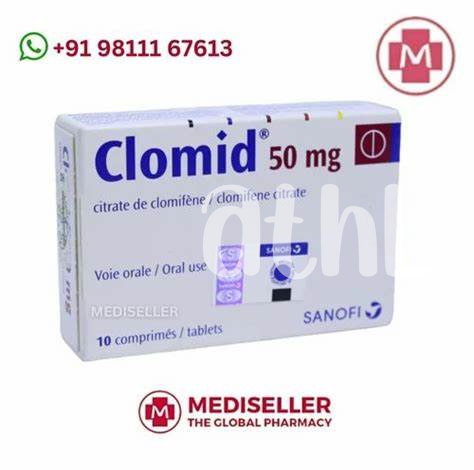
Clomid, traditionally used for female fertility, has found a place in addressing male infertility. Men struggling with low sperm count or motility may consider it, as Clomid can stimulate the pituitary gland to produce more luteinizing hormone (LH) and follicle-stimulating hormone (FSH). This increase can subsequently boost testosterone levels, potentially enhancing sperm production. While Clomid isn't the first-line treatment for all male infertility cases, it offers a non-invasive option compared to surgical interventions. However, its effectiveness varies, and potential side effects like mood swings and blurred vision should be weighed. As always, consultation with a healthcare provider is paramount to evaluate its suitability.
Exploring Clomid’s Role in Unexplained Infertility
In the mysterious realm of unexplained infertility, Clomid often emerges as a beacon of hope, offering a structured approach to what can feel like an inexplicable condition. While unexplained infertility lacks the definitive diagnostic hurdles seen in other reproductive challenges, Clomid's efficacy in stimulating ovulation provides a potential pathway to pregnancy. For couples facing this ambiguous diagnosis, Clomid is frequently one of the first-line treatments recommended by fertility specialists.
| Benefits of Clomid in Unexplained Infertility | Considerations |
|---|---|
| Stimulates ovulation | Requires monitoring |
| Non-invasive initial treatment | May come with side effects |
The medication’s known success in inducing ovulation positions it as a valuable tool for unexplained infertility cases, particularly when partnered with more advanced reproductive technologies if needed. It's crucial for individuals and couples to engage in thorough discussions with their healthcare providers to tailor an approach that aligns with their unique fertility circumstances and desires.
Consultations and Considerations before Starting Clomid
Before embarking on a Clomid regimen, it is crucial to have a comprehensive consultation with a healthcare provider. This meeting lays the foundation for understanding the medication’s potential effects and assessing whether it aligns with the individual's specific fertility issues. A thorough evaluation of medical history, including any underlying health conditions, helps ensure Clomid is a safe option.
Communication with a specialist is essential to tailor treatment to the individual's unique needs. Discuss potential side effects and expected outcomes, creating clear expectations and a shared treatment plan. Additionally, it’s important to commit to regular follow-up appointments and necessary hormone level monitoring, optimizing the chance for success while minimizing risks.